Choose a batch you will use
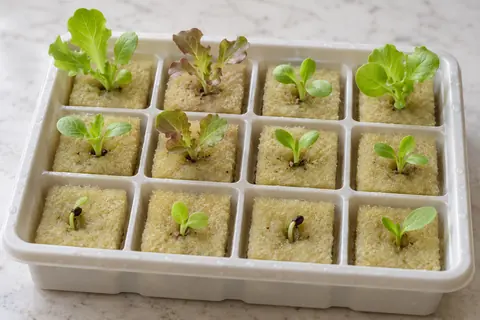
As a planning example, you might sow two plants first and write down the date. That is an experiment, not a yield target. Succession planting spreads small sowings over time rather than filling the whole space at once. Outdoor guides often suggest regular intervals; indoors, use your first crop’s progress to choose the next date instead of copying an outdoor calendar unchanged.
Further reading: University of Maryland Extension · Vegetable succession planting
Save space for the next plants
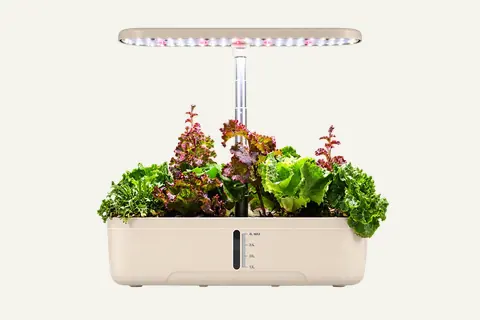
Two empty pod holes are not necessarily two spare growing spaces. Older leaves may spread over them, leaving a seedling in shade. Check the crop spacing and lamp coverage your system can support at full size. If you start the next batch in a separate tray, plan a suitable place for it until the main garden has room. Seedlings need their own light and care during that wait.
Decide how you will harvest
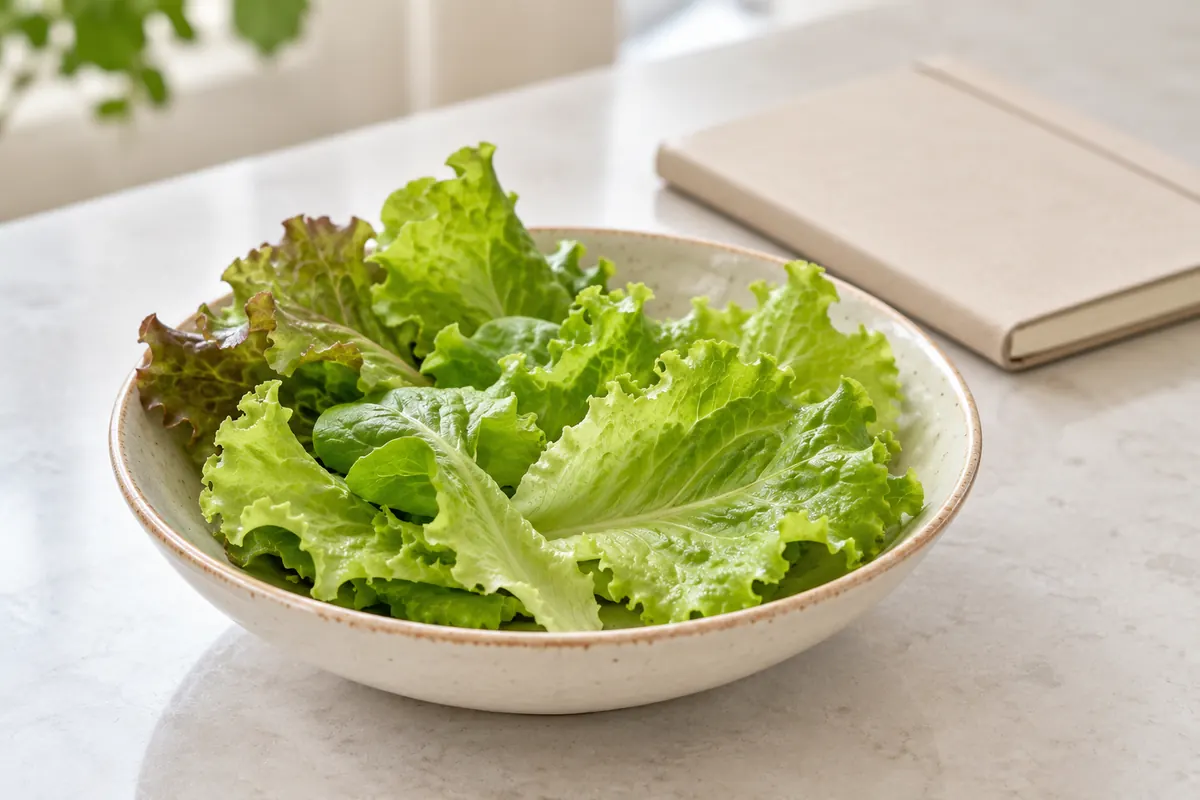
Leaf lettuce can be picked a little at a time once leaves reach a usable size, leaving most smaller leaves to continue growing. Taking the whole plant frees a space sooner. Choose the approach that suits your variety and meals. A plant sending up a flower stalk is moving beyond its leafy stage, and the flavor can become bitter. Replacing an aging plant is part of the cycle.
Further reading: University of Minnesota Extension · Growing lettuce, endive and radicchio
Keep three notes
Keep three notes: when you sowed, when you first picked leaves and whether any went unused. If a batch was too much, start fewer plants next time. If the planter sat empty, try starting the replacement a little earlier where you have suitable space. Use the same variety while you work out the timing, so there is one less thing changing between batches.
Sources & further reading
Original GrowGrid explanations informed by university extension guidance. The linked guides describe different growing systems; they do not endorse GrowGrid products.